


We all desire healthy teeth that will last a lifetime, but occasionally a crown — a covering for your tooth — might be necessary. A broken tooth is typically covered with a crown, also referred to as a “cap.” For instance, your tooth may be so severely decayed that there is insufficient natural dental material to support a filling.
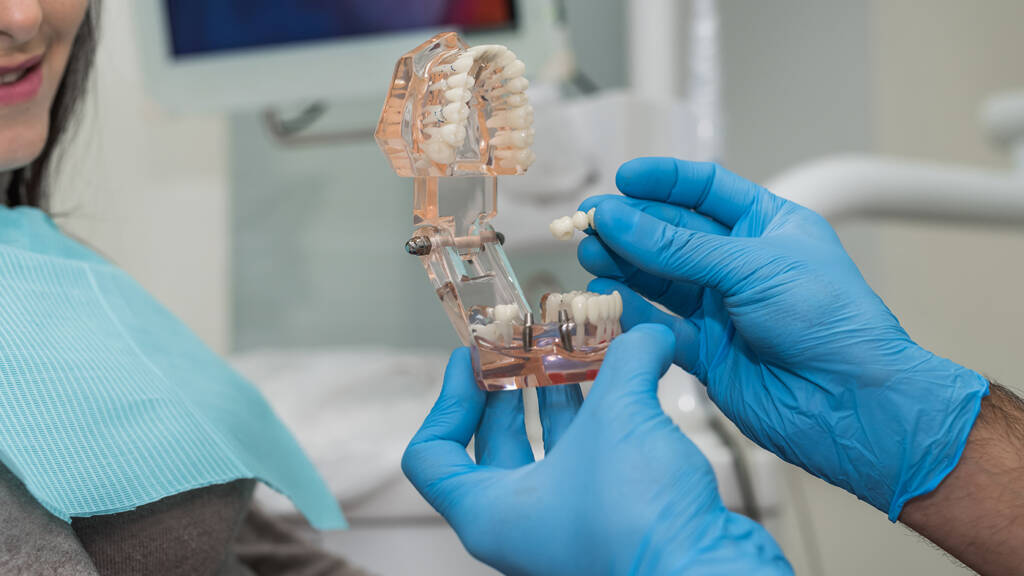
A crown can also be attached to a dental implant to substitute a missing tooth or be used to protect a broken tooth. A severely stained tooth can potentially be covered with a crown.
Your tooth can become stronger, more aesthetically pleasing, and have better alignment or shape thanks to a crown. If you have missing or damaged teeth or just wish to improve your smile, dental crowns are a safe solution to cover gaps and help restore them. Having an excellent smile might ease your life, as it is one of your face’s most distinguishing traits.
A variety of materials are used to make crowns. Most people won’t even notice that you have a crown since ceramic, porcelain, or resin crowns can be fashioned to match the color of your teeth. The material used to create a crown is frequently colored to match your natural teeth throughout the manufacturing process. The best crown material for you will depend on which teeth are being covered, how you want them to look cosmetically, and how long you need them to survive. Each of the materials has its own set of pros and cons.
You will receive advice on the best course of action from the Turkish dental experts with whom New You Now has partnered. To get the most natural and practical results, advice is essential.
The process starts with an online consultation during which you discuss your expectations for the dental crowns with New You Now, as well as your medical background and dental images. Your unique condition is taken into account when developing a treatment plan.
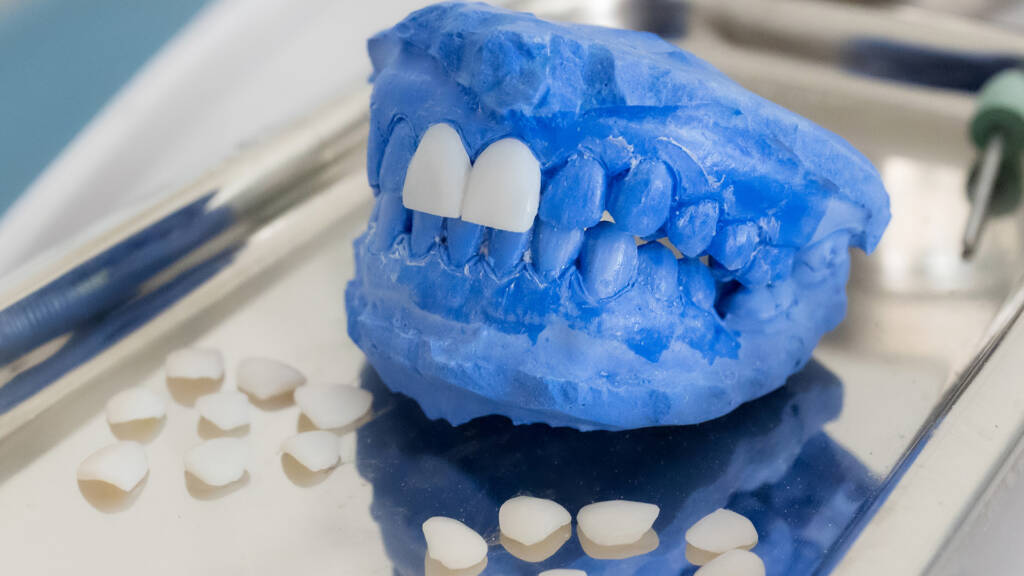
Your procedure starts with an x-ray on the day of your arrival or the day after. If the dental crowns are going to be placed over dental implants, there is no need to cut your natural teeth down to the necessary level for crown placement. Each crown is unique to the patient, and to create natural crowns, a mold of your dental structure will be made and sent to the lab.
When your custom dental crowns are prepared, they are attached to your teeth using cement and a special light to hasten and strengthen the bonding. A dental crown could be required to:
• Keep a weak tooth from breaking (if it is weak due to decay, for example) or to hold a cracked tooth together.
• Restore a tooth that has broken or is significantly worn down.
• Cover and support a tooth that has a sizable filling and little healthy tooth structure left.
• Firmly fix a dental bridge.
• Cover teeth that are badly discolored or misshapen.
• To cover a dental implant.
• Cover a tooth that has had root canal therapy.
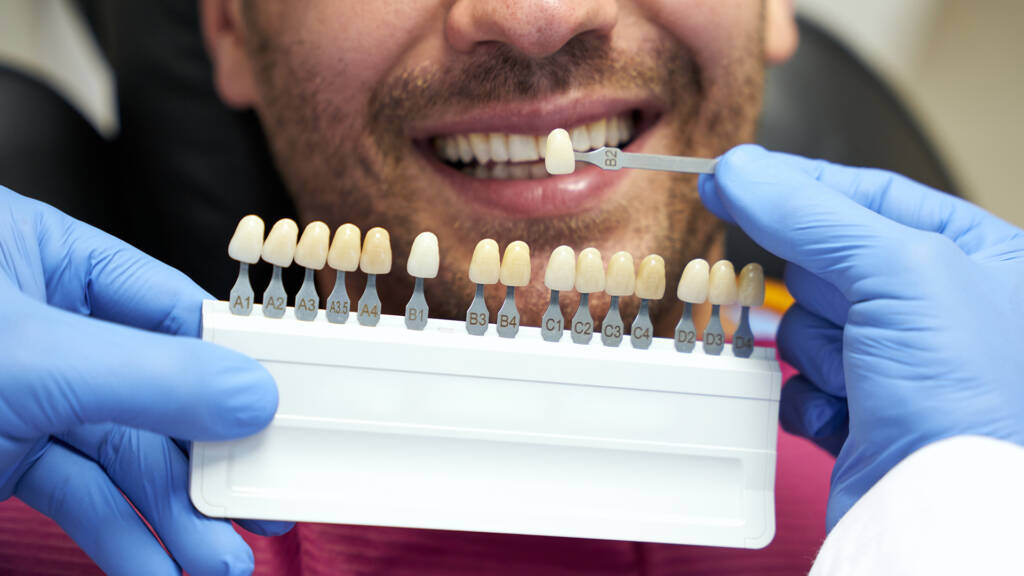
The crown must now be applied to the tooth after being made by the dental technician or laboratory. Before the crown is cemented in, it is crucial to verify that it has been manufactured appropriately, making sure that the fit and color match the surrounding and natural teeth.
Our affiliated dentists carefully complete the fitting procedure and ensure that your crowns fit precisely, ensuring that you return to your home country with the ideal, picture-perfect smile. While it could take some getting accustomed to, we are confident that your crown will feel and look just like your natural teeth. If you have any inquiries concerning your crown, our staff is available to help.
As long as you maintain appropriate oral hygiene, crowns can last a lifetime. That entails using a toothbrush at least twice daily and flossing once daily. Try to refrain from eating ice, hard foods, or other hard items to preserve your crown. Make sure to schedule cleanings and checks as well.
Give us a call right away if you think you might need a crown or if you want to be examined by skilled hands.
How do dental crowns work?
Dental crowns are caps in the form of artificial teeth that are affixed to the top of your real teeth. Dental crowns protect the tooth and help either to enhance its appearance or restore the natural tooth’s shape.
Is getting a dental crown painful?
No, obtaining a crown is a painless procedure, now that local dental anesthetics and sedation have advanced. Following the implantation of your crown, you may experience sensitivity (particularly to cold and air) for a few days.
How long do the crowns last?
It varies from clinic to clinic, but our affiliated dentists employ Zirconium crowns, which are remarkably resilient. Zirconium crowns should last a lifetime with the right maintenance and adherence to the post-operative recommendations.
How long does recovery take following the procedure?
Since it is not a surgical operation, there is no recuperation period once our dentists have set your crowns on top of your teeth.
Are dental crowns and cap interchangeable terms?
Yes, a dental restoration can be referred to as either a crown or a cap. They are commonly known as caps by the general public and as crowns by dentists.
What distinguishes dental crowns from veneers?
The way they fit your tooth and the need for them create a significant distinction between veneers and crowns. A dental crown covers the entire tooth, whereas a veneer is only glued to the front of the tooth. Due to their reduced gum margin, veneers are typically considered more visually pleasing than crowns. The thickness of crowns is two millimeters, as opposed to one millimeter for veneers, and they are also more durable. While crowns can last most of your life, veneers might need to be replaced after a number of years.
What goes into the dental crown procedure?
To prepare your natural teeth for the procedure and to make sure they will accept the bonding process, our dentists will first perform all necessary scans and examinations. Additionally, our dentists will create a mold of your natural teeth, which will be utilized to create crowns that are as similar to the shape of your actual teeth as possible. As your custom-made crowns are being prepared, our dentists will give you temporary crowns. Our dentists will place your custom-made crowns over your natural teeth once they have been prepared.
What are the 2025 dental crown prices with New You Now in Turkey?
A: Dental crown prices in Turkey in 2025 vary based on the type of crown selected—such as zirconium, porcelain-fused-to-metal (PFM), or E-max—and the number of teeth being restored. At New You Now, dental crown procedures are carried out by experienced cosmetic dentists who prioritize both durability and aesthetics.
Patients receive all-inclusive packages that typically cover the crowns, digital scans, consultations, temporary restorations (if needed), hotel accommodation, and VIP airport transfers. These comprehensive options allow international patients to achieve a healthy, natural-looking smile at competitive prices without compromising on quality.
To find out which crown material suits your needs and get full pricing details, simply contact New You Now directly for a free consultation.
What is the best clinic for dental crowns in Turkey in 2025?
For those seeking high-quality dental crowns in Turkey, New You Now is among the most recommended destinations in 2025. Known for its advanced dental technology and personalized care, the center provides long-lasting crown restorations that improve both appearance and function.
Whether you’re restoring a single tooth or undergoing a full smile makeover, New You Now offers a wide selection of crown materials tailored to your goals. Combined with complete treatment packages that include accommodation, airport transfers, and post-treatment support, it’s a top choice for international patients looking for reliable and affordable dental crown solutions in Turkey.
Pre-Op Instructions
• Please inform us if you are taking any medications.
• As usual, take all daily medications as directed by your doctor.
• Follow the instructions provided by our clinic when taking any drugs.
• Avoid wearing cosmetics near your mouth, as they could accidentally get into the surgical area while being applied. Your chin, lips, cheeks, and nose will be cleaned before surgery.
• Avoid drinking anything with caffeine on the day of surgery.
• Don’t consume alcohol for three days before surgery.
• Unless otherwise instructed, eat a small meal before coming to our facility for the operation.
• Be sure to dress comfortably.
Post-Op Instructions
• Avoid excessively hot foods and beverages during the first several days.
• For the first week, avoid foods that are crunchy or sticky.
• Flossing is not recommended. If you must floss, insert the floss between your teeth and gently slide it out from the side rather than pulling it back up.
• Maintain regular brushing, as the tooth underneath the crown is still susceptible to decay if not properly cared for.
• Changes in sensitivity to temperature and discomfort at the injection site are typical. This should pass within a few days or, in some cases, weeks. If discomfort persists beyond that period, please contact our office.
• If the gums around temporary crowns become sensitive, rinse with salt water four times per day